
Star Prairie, Hudson
New Garage Door Installation for Star Prairie's 1990s Housing Stock
Star Prairie homes date mostly from the mid-1990s, and the original builder-grade doors are reaching the end of their run. Here's what a new install involves, 16 miles out from Hudson.
- Garage Door Repair
- New Door Installation
- Springs & Openers
Doing It Yourself
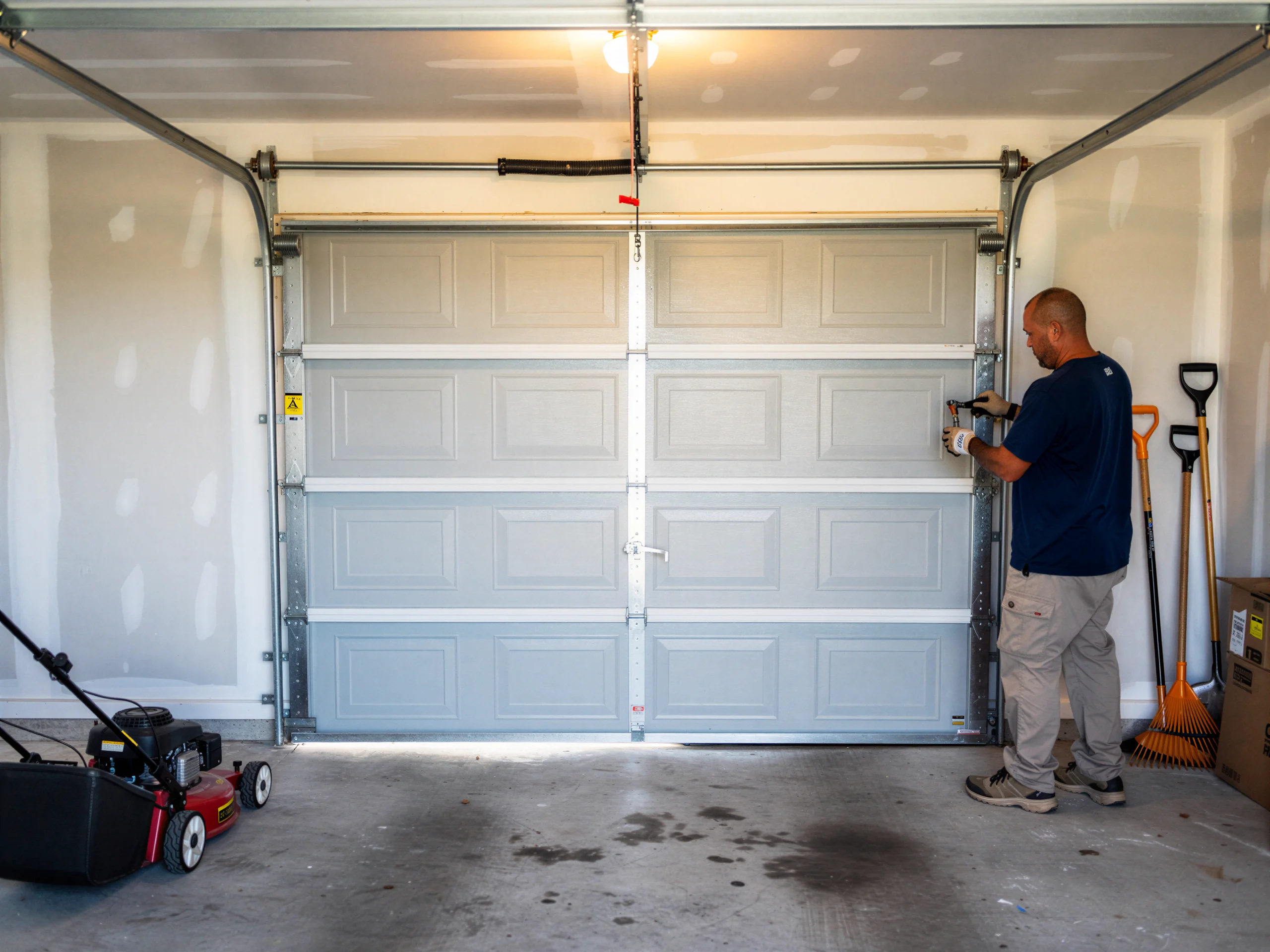
We'll say this plainly: don't install a torsion spring door section yourself. The springs on a 16x7 double are wound to hold real tension, and even an experienced DIYer can get hurt resetting one without the right bars and a clear sense of how many turns it needs.
Seals as DIY work
Swapping weatherstripping or a bottom seal is reasonable on your own. Replacing panels, springs, or track on a door this size isn't, and it's also where most of the injuries we hear about actually happen.
Small project honesty
If you've got a project in mind that's smaller than a full replacement, say so when you call - we'd rather tell you it's a fine DIY job than sell you a visit you don't need.
What the Repair Takes
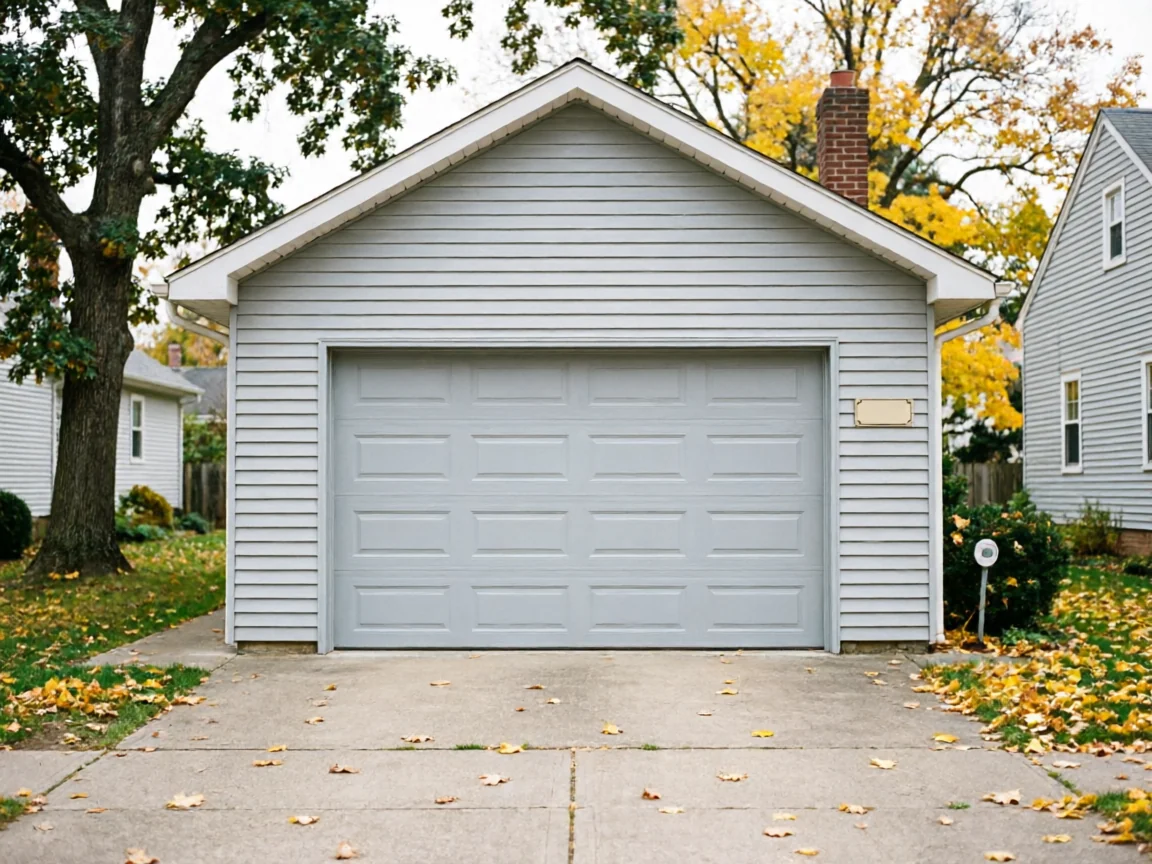
A full install, start to finish, runs a full day for one door once the old one is off and the opening is checked square. We're coming from Hudson, about 16 miles out, so scheduling is the first thing to pin down - we batch Star Prairie jobs where we can rather than making a single round trip for one door. Most of the work is removal of the old panels and track, fitting new track to the header, hanging the new door, and balancing the spring to the door's actual weight, which varies more than people expect between an insulated and non-insulated panel of the same size. We test the opener against the new door's weight before we leave, since a spring change on an older opener sometimes means the opener's force settings need resetting too.
What You Pay
We don't post a flat number here because every job in Star Prairie comes down to door size, insulation level, and whether the opener gets replaced at the same time.
Mid-nineties opening sizes
What we can tell you is what drives the cost up or down. Most houses in this part of the service area were built around 1995, so you're usually looking at a standard 16x7 double or a single-car 9x7, both on steel sectional panels that were builder-grade when they went in.
Straight swap cheaper
A straight swap on the same track footprint costs less than a job that also needs new jambs or a header repair, which shows up more on older framing than on a mid-90s build.
Insulation upgrade common
Insulation matters too - this area sits in a cold, severe winter band, and a non-insulated steel door loses heat fast enough that most homeowners upgrade to an insulated panel when they replace rather than matching the old one. We quote on site, after we've looked at the opening and the header, because guessing a number over the phone for a 16-mile trip out from Hudson doesn't help either of us.
What Causes It Around Here
The doors going in around Star Prairie in the mid-1990s were mostly single-layer steel, stamped in a handful of standard panel designs, hung on galvanized track that wasn't built to last forever. Thirty years on, that's exactly what's failing - not freak damage, just the panels themselves denting through thinner steel, and the track sagging where the rollers have worn a groove. The cold is the other half of it. A severe winter climate puts steady stress on torsion springs and on any door that isn't insulated, because the steel contracts hard in deep cold and the extra load falls on whatever hardware is already tired. We see a lot of doors here that are structurally fine on three sides and shot at the bottom panel, where ice and meltwater sit against the steel all winter. That combination - original-era steel doors plus a cold climate - is why replacement conversations in this area tend to start with the door itself, not the opener.
Stocked Parts
For an install job, what matters on the truck isn't exotic parts, it's the sizes that actually fit a 1990s Star Prairie opening: 16x7 and 9x7 door sections, standard torsion springs rated for a 7-foot rise, and galvanized track in the lengths that match the headroom on a garage built in that era.
Insulated panels as default
We carry insulated panel options as the default upgrade, since the cold-climate case for them is straightforward here. What we don't stock is anything custom - oversized openings, carriage-style hardware, or odd legacy track widths from a renovated or hand-built garage.
Outside sizing lead time
If your opening falls outside the common mid-90s sizing, that's a lead-time item we order rather than carry, and we'll tell you that up front instead of pretending otherwise.
How It Shows Up
Most Star Prairie homeowners call us not because the door failed outright but because it's gotten loud, slow, or crooked going up. On a 1995-era steel door, the tell is usually a bottom panel that's rusted or dented through, a track that's bowed enough that the door shudders partway up, or a spring that's visibly stretched and no longer matching its pair. Sometimes it's simpler than that - the door still works, but it's cold to the touch on the inside in January, which in this climate band means it's doing nothing for the garage's heat loss. A door that needs daily help from a shoulder to close all the way is past the point where a repair buys you much time. That's the signal to talk replacement instead of patching the same panel again.
Questions
Common questions
How old are most garage doors in Star Prairie likely to be?
Most homes in this part of the service area were built around 1995, so the original garage door is usually a steel sectional panel from the mid-90s - often non-insulated, on galvanized track that's now three decades old. That's the baseline we expect to find before we even look at the specific door.
Do you carry a branch or office in Star Prairie?
No. We're based in Hudson, about 16 miles away, and we travel out to Star Prairie for installs and service calls. There's no local depot here, so scheduling is coordinated from Hudson rather than a same-day walk-in.
Should I replace or repair a door from the 1990s?
If the panels are dented or rusted through, or the springs no longer match their pair, replacement usually makes more sense than a repair, especially in a climate this cold where an uninsulated original door is already working against you. A repair makes sense if the fault is isolated - a single roller or a cable, for instance.
What size door is typical for this area?
Given the housing stock here, we most often see a 16x7 double-car opening or a 9x7 single, both standard sizes for homes built in the mid-1990s. Unusual or oversized openings are less common and usually mean a renovated or custom-built garage.
Explore more
More Services in Star Prairie
Cable Repair
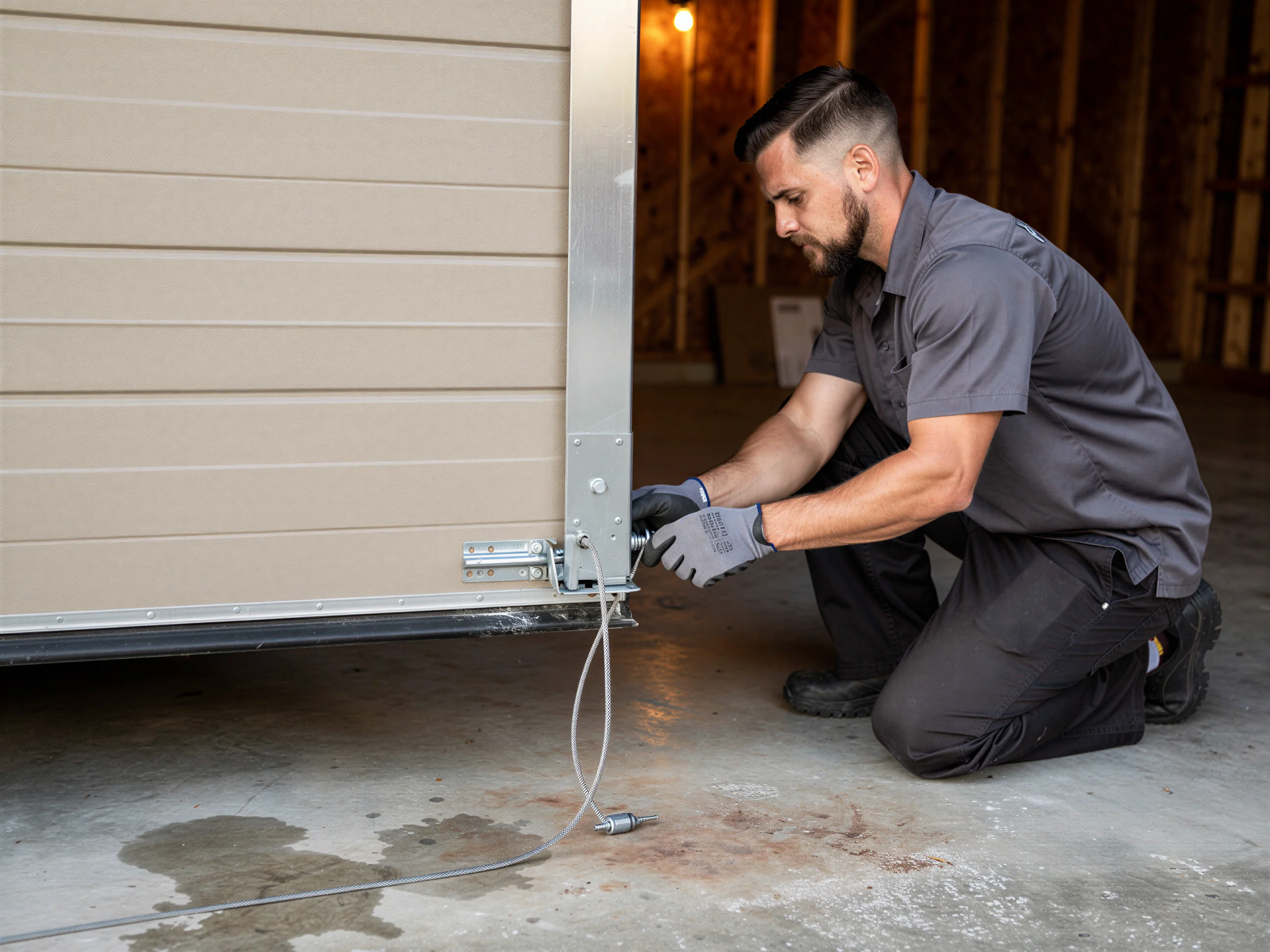
Star Prairie homes mostly date to the mid-1990s, which shapes the cable and drum setup we see on most calls. Learn more →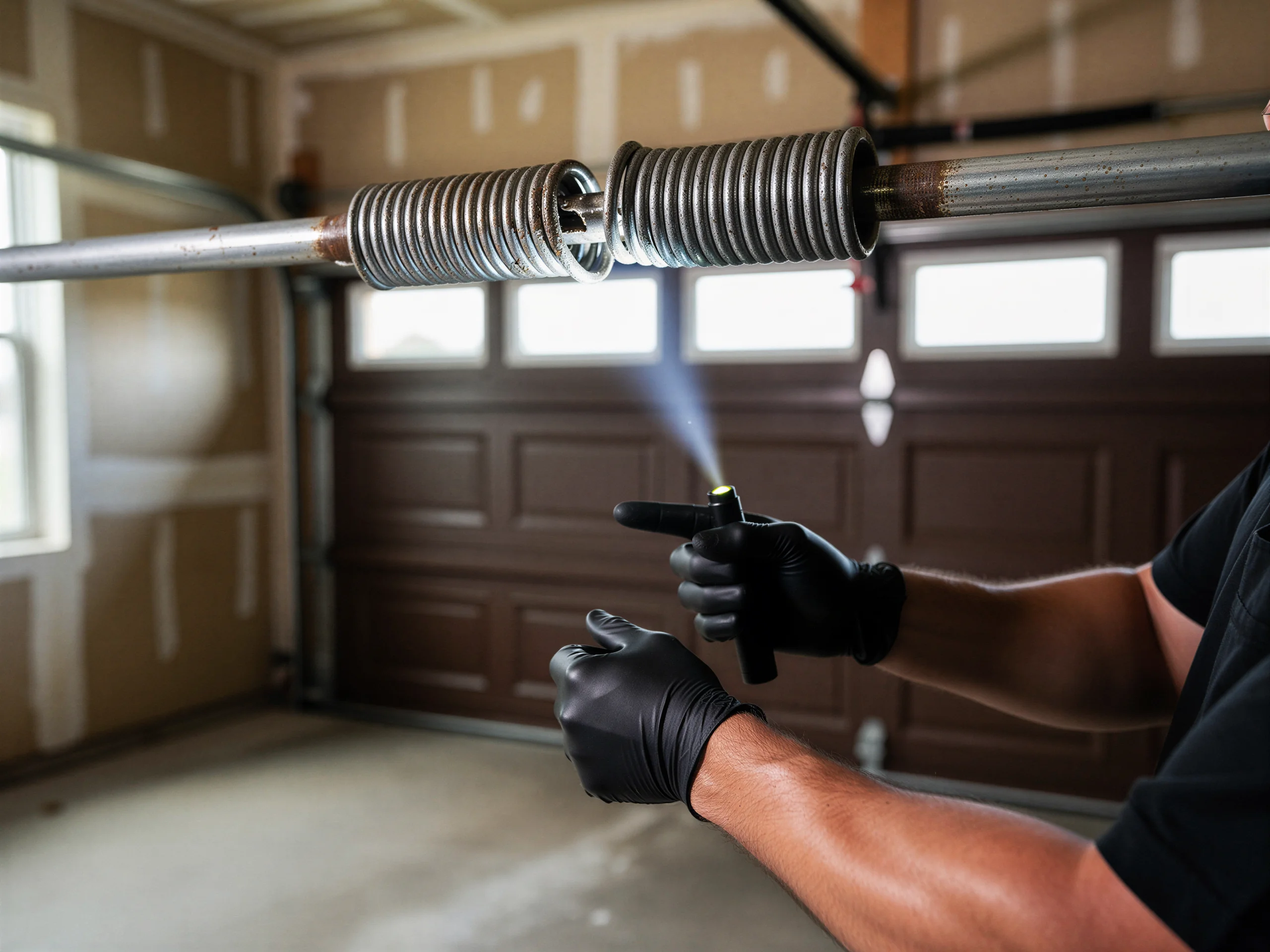
Emergency Garage Door
Star Prairie homes run newer than most of the Hudson service area. Learn more →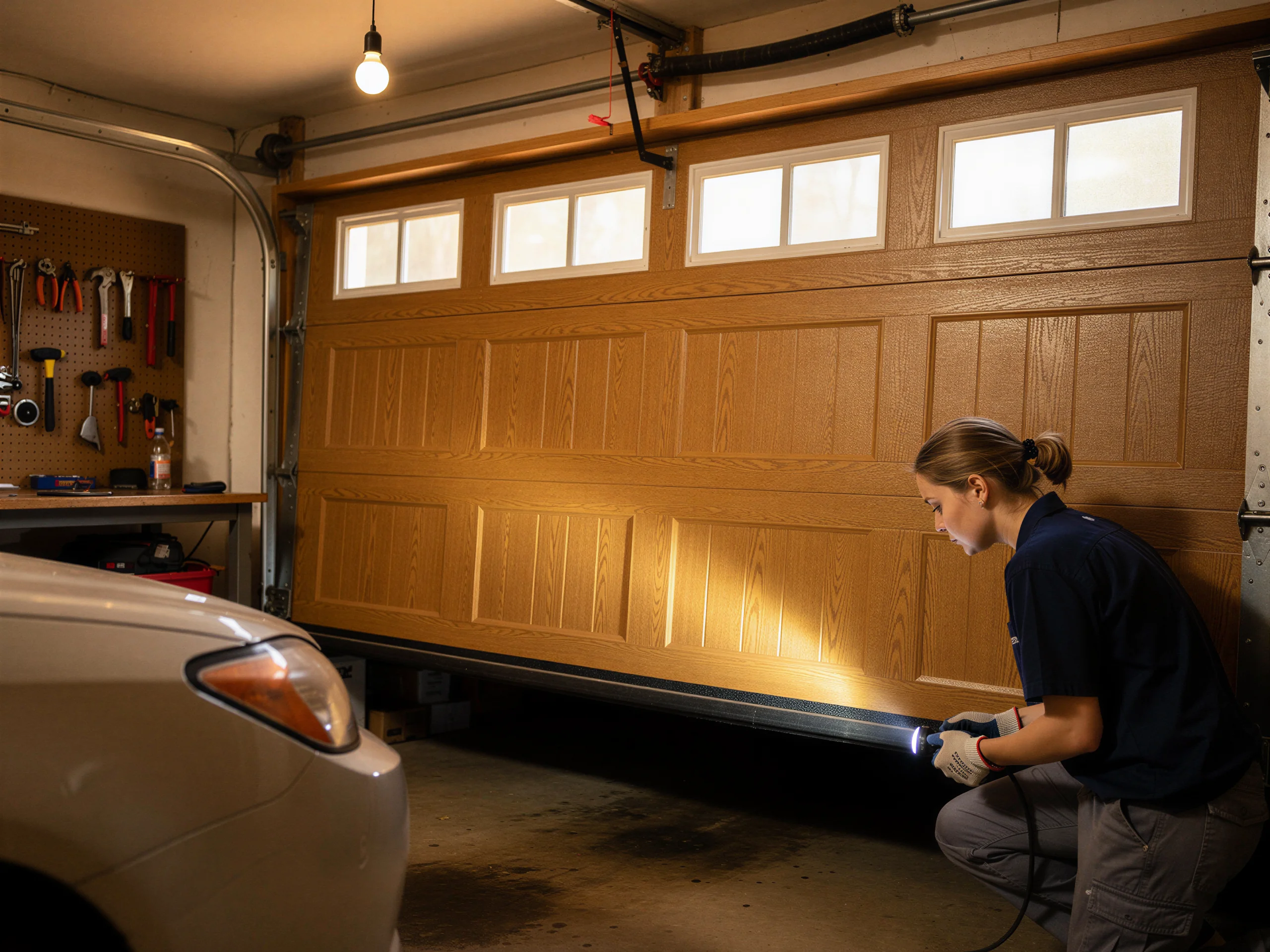
Garage Door Repair
Star Prairie homes mostly went up after 1995, later than much of the Hudson service area. Learn more →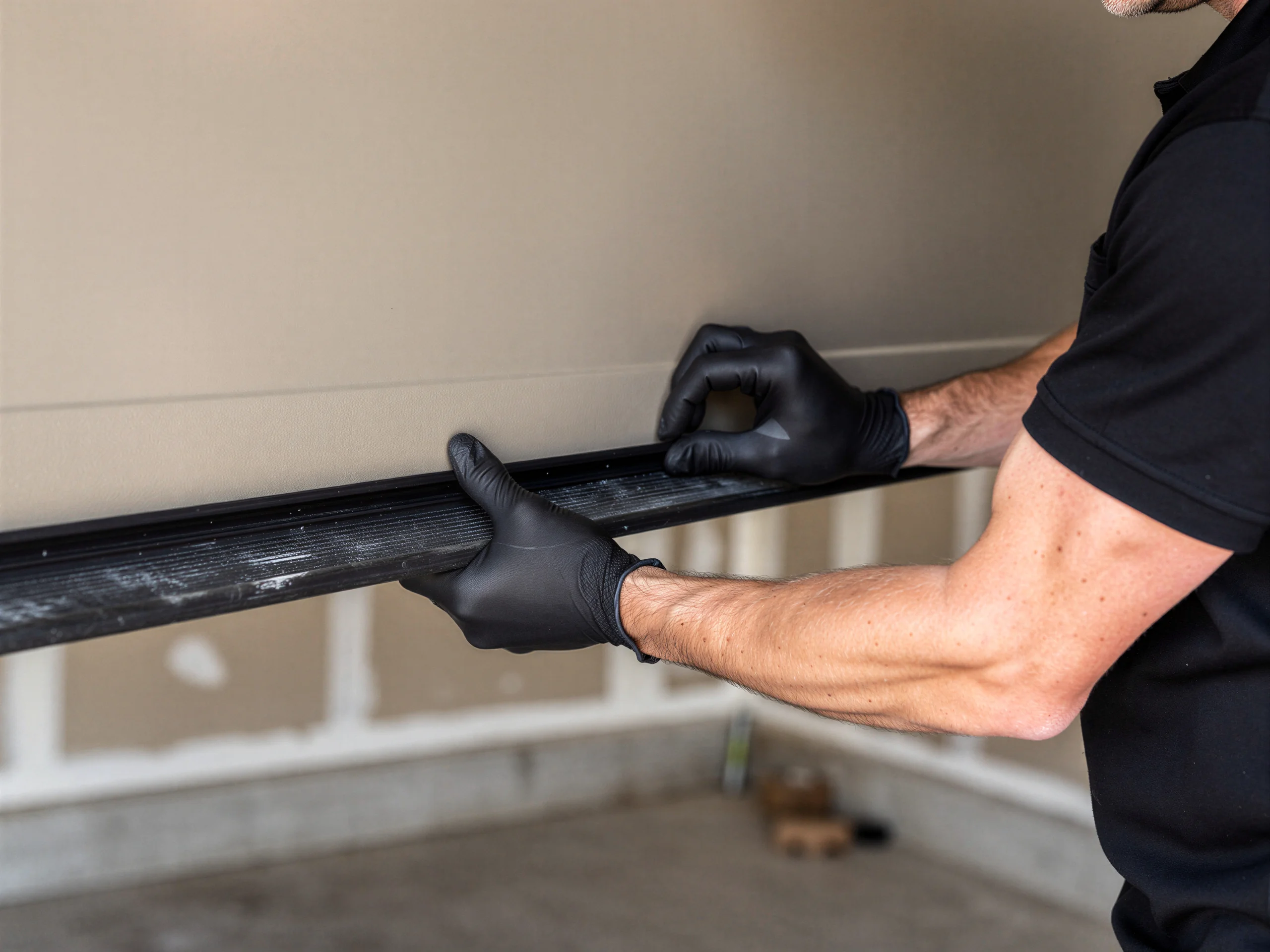
Garage Door Service
Star Prairie homes mostly date to the mid-1990s, later than much of the Hudson service area. Learn more →
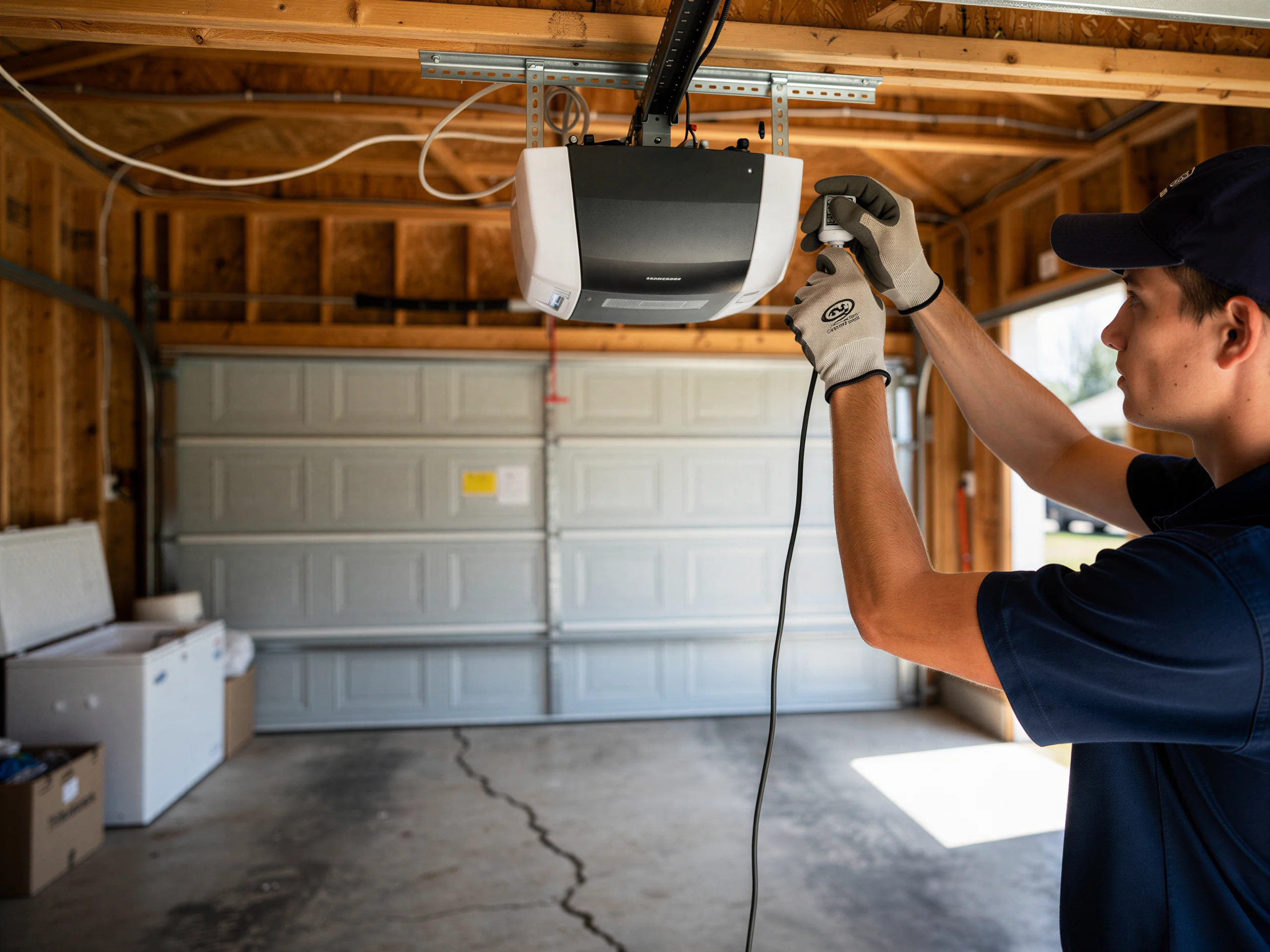
Opener Installation
Star Prairie homes run newer than most of the Hudson service area, built mostly after 1995. Learn more →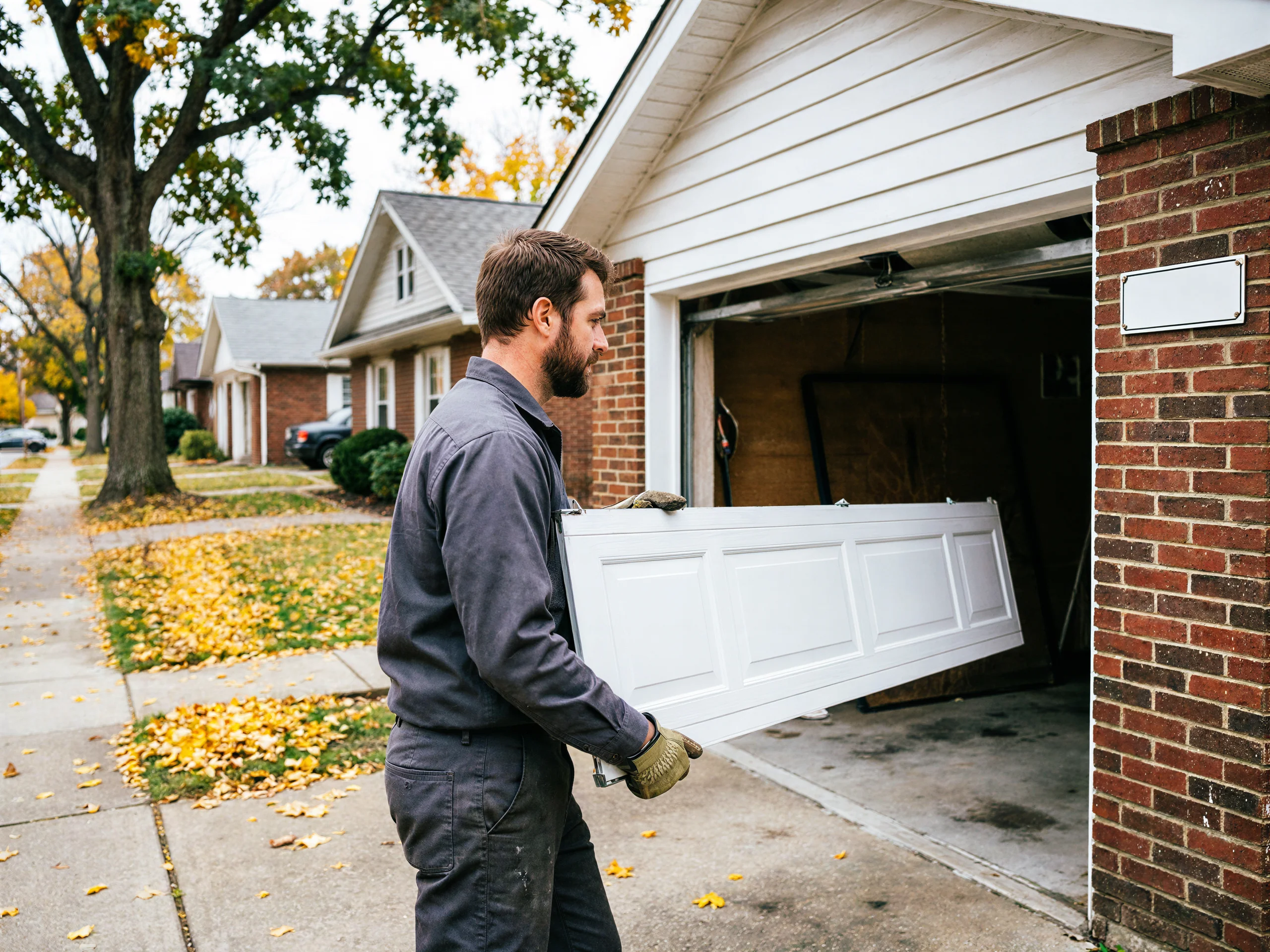
Panel Replacement
Star Prairie's garages mostly date to the mid-90s, later than the Hudson area average - which means different panel sizes and track hardware. Learn more →Ready when you are
Ready for a new garage door in Star Prairie?
Hudson Garage Door Pros repairs and installs garage doors, springs and openers in Hudson, WI and the surrounding area.