
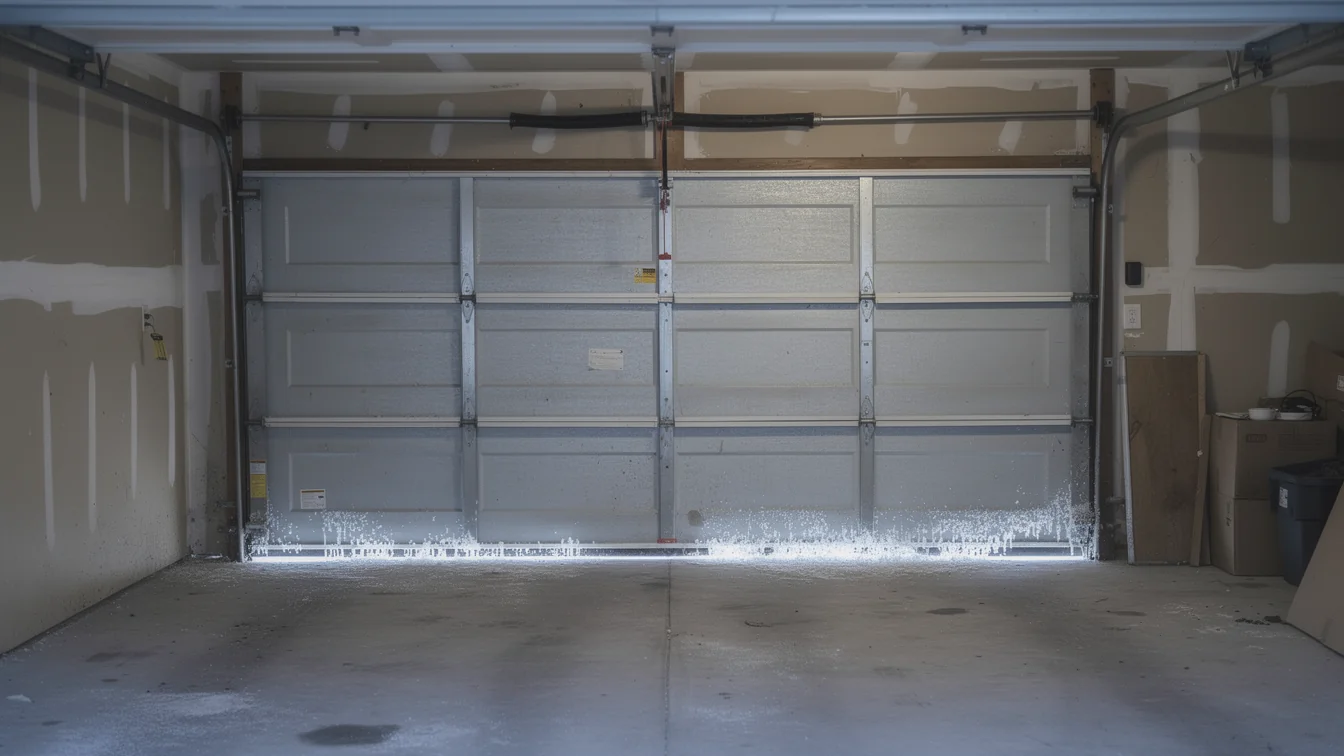
What Hudson's Housing Stock Means for Your Garage Door
Hudson, WI homes built mostly from 1972 to 2004 face severe cold swings that test original springs, tracks, and insulation.
Read moreMost Hudson homes date to 1972-2004. Here's how that build era and our cold climate decide whether your garage door is worth repairing or replacing.
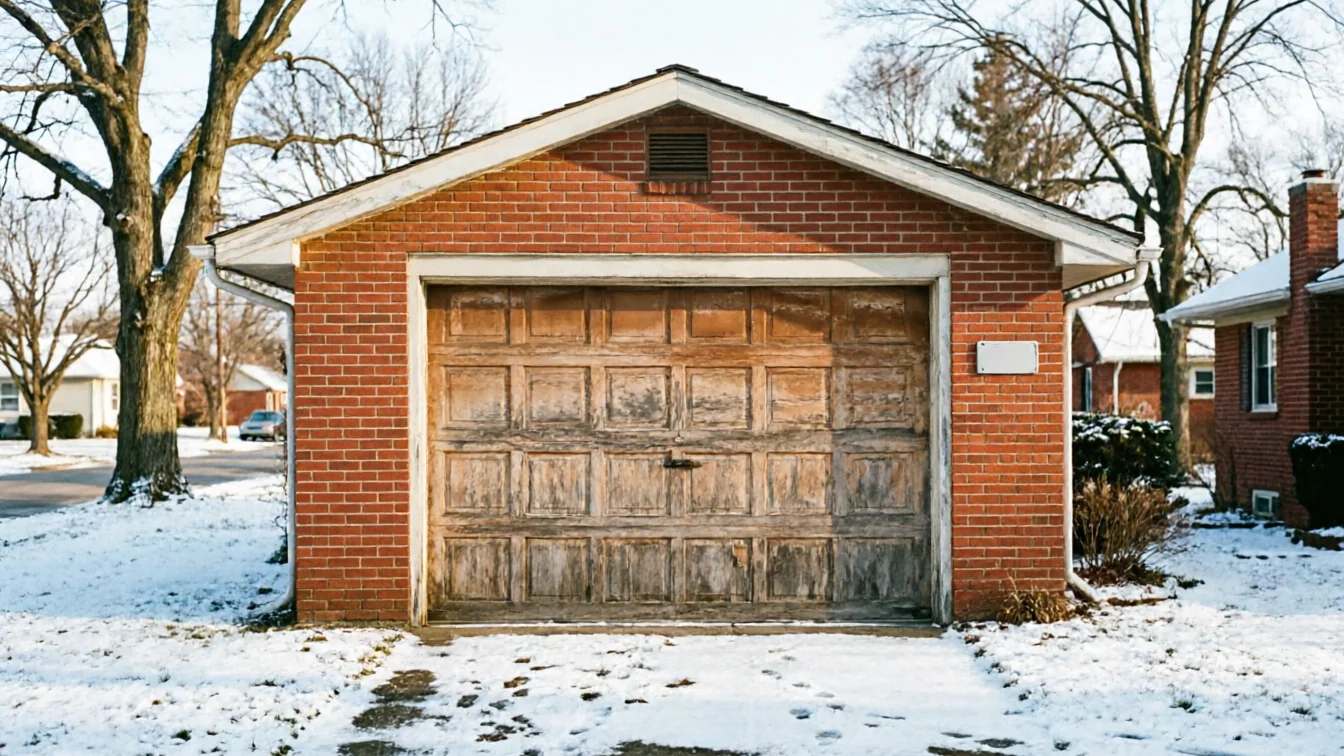
Local detail
Most of the housing around Hudson went up between 1972 and 2004, with the median build year sitting at 1987. That matters more than people think when a door starts acting up. A door and opener installed when a house was built in the late 80s or early 90s is now pushing 35-plus years old, and that's well past the working life of most springs, rollers, and openers on the market back then. Across the 13 named areas in this service territory, the stock is overwhelmingly 1980s and 90s construction, which means a lot of houses are hitting the same wall at the same time: original hardware, original opener, sometimes original door skin.
When we get a call on a door from that era, the question isn't just "what's broken" - it's whether the rest of the unit is close behind. A torsion spring from 1988 breaking today doesn't mean the cables, rollers, and opener gears are fine. It usually means they're the same age and under the same stress. That's the real diagnostic question on a lot of these calls: are we fixing one part, or patching a door that's going to nickel-and-dime you for the next two years.
The area
This is a cold-severe climate, and that changes what wears out first on an older door. Steel contracts in deep cold, and on a door built in the 80s or 90s - before a lot of the weatherstripping and insulation standards improved - that contraction puts extra load on panel seams, hinges, and the bottom seal every winter. On a newer door this is a minor stress. On a 30-plus-year-old door it's the thing that turns a small gap into a crack, or a stiff hinge into a snapped one on the first hard freeze.
Openers from that build era also weren't built with today's cold-rated lubricants or gearing, so they strain harder in winter, which is when we see the most burnt-out motors and stripped gears on original units. If your door and opener both date to the house, winter is when the weakest link gives out first - and in this climate, that's a near-annual event, not a one-time thing.
What we find
A door that's sticking, sagging, or making noise on a 1980s or 90s house isn't going to fix itself, and in a cold-severe climate it tends to get worse fast once a seal or hinge starts to go. Left alone, a cracked bottom seal lets in cold air and moisture that works on the panel bottoms and the slab underneath. A loose or worn hinge on an original door puts more twist on the opposite side of the panel every time it opens, and that's how a minor rattle turns into a bent track or a panel that won't sit flush.
We're not going to tell you every noise means an expensive job - plenty of doors from this era just need a hinge, a roller, or a spring swap and they're good for years more. But if the door, opener, and hardware are all original to a house built in that 1972-2004 window, and more than one thing is starting to go, that's usually the point where patching starts costing more than it saves.
How we work
With a median household income of $87,500 across this area and close to 9,934 owner-occupied houses, most of what we see is people weighing a repair bill against a replacement bill on a door that's done a lot of winters. We don't have a set price list to hand you here - every job depends on the door, the opener, and what's actually failed - but the honest version of the advice is this: if you're replacing the spring, the opener, and the rollers all in the same visit on a 35-year-old door, you're close to the cost of a new door with none of the original wear built in.
The one limitation worth saying plainly: we can't always tell you over the phone whether a door is a repair or a replace. Some of it only shows up once the door's apart and we can see the track alignment and panel condition up close.
Questions
Not automatically. A lot of houses in this area were built between 1972 and 2004, and plenty of those original doors still run fine with a spring or roller swap. The age that matters most is how many parts are original at once - one worn part is usually a repair, several at once often tips toward replacement.
This area sits in a cold-severe climate band, and steel panels, hinges, and seals all contract in deep cold. On older doors, especially ones built before weatherstripping standards improved, that contraction is what turns a small gap or stiff hinge into a crack or a snap during the first hard freeze.
Not accurately. We don't have a flat rate to quote over the phone because the right fix depends on what's actually failed - spring, opener, rollers, or the door itself. We can tell you more once we've looked at the track alignment and hardware condition.
Recommendation
More garage door guides for Hudson homeowners.
Hudson, WI homes built mostly from 1972 to 2004 face severe cold swings that test original springs, tracks, and insulation.
Read more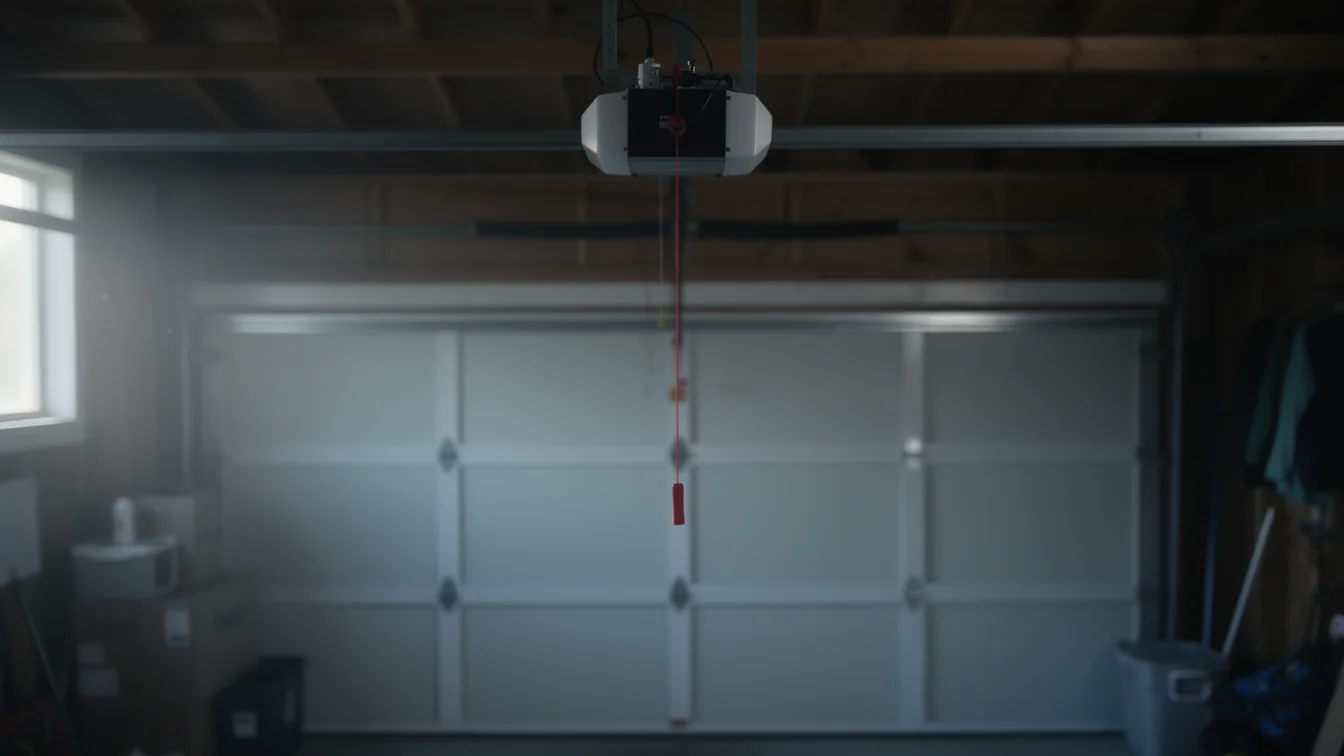
Hudson homes built mostly 1972-2004 run older openers that struggle in cold-severe winters and outages.
Read more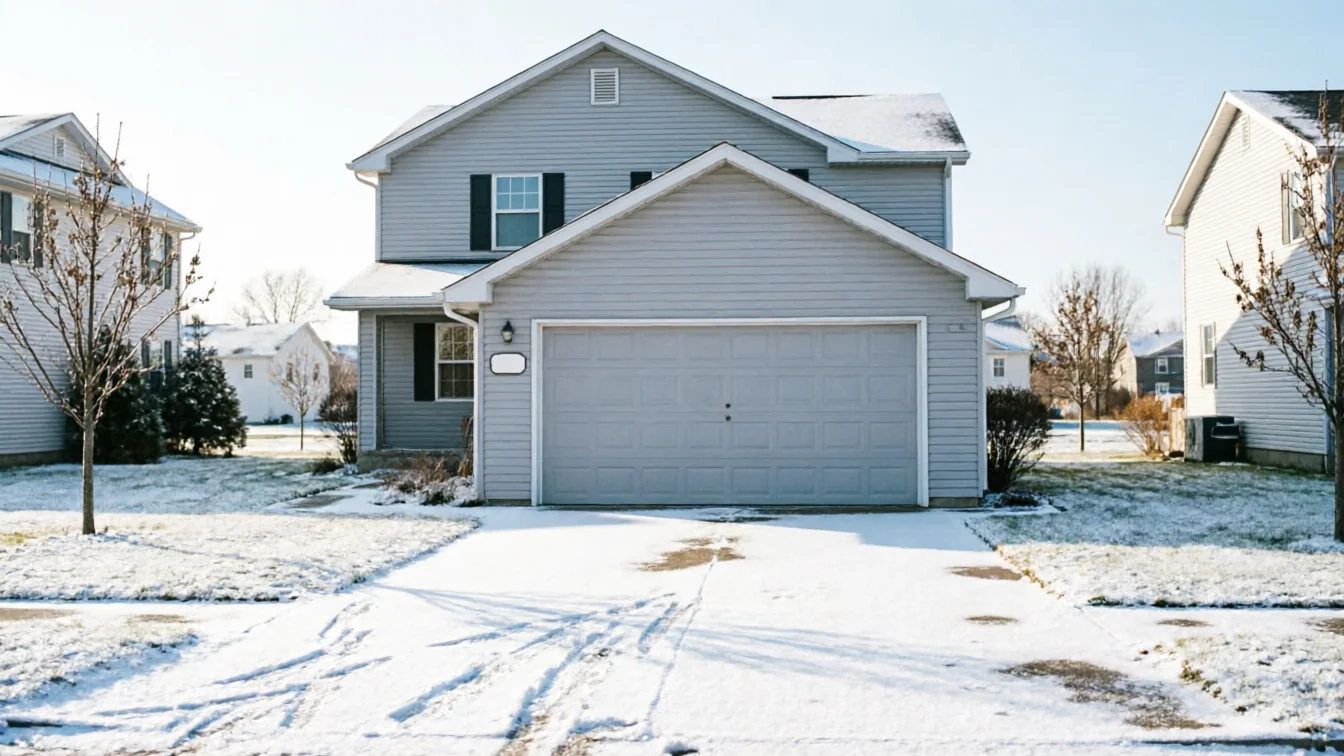
Hudson, WI homes built between 1972 and 2004 face torsion spring failures when winter cold snaps hit.
Read moreReady when you are
Hudson Garage Door Pros repairs and installs garage doors, springs and openers in Hudson, WI and the surrounding area.