What Hudson's Housing Stock Means for Your Garage Door
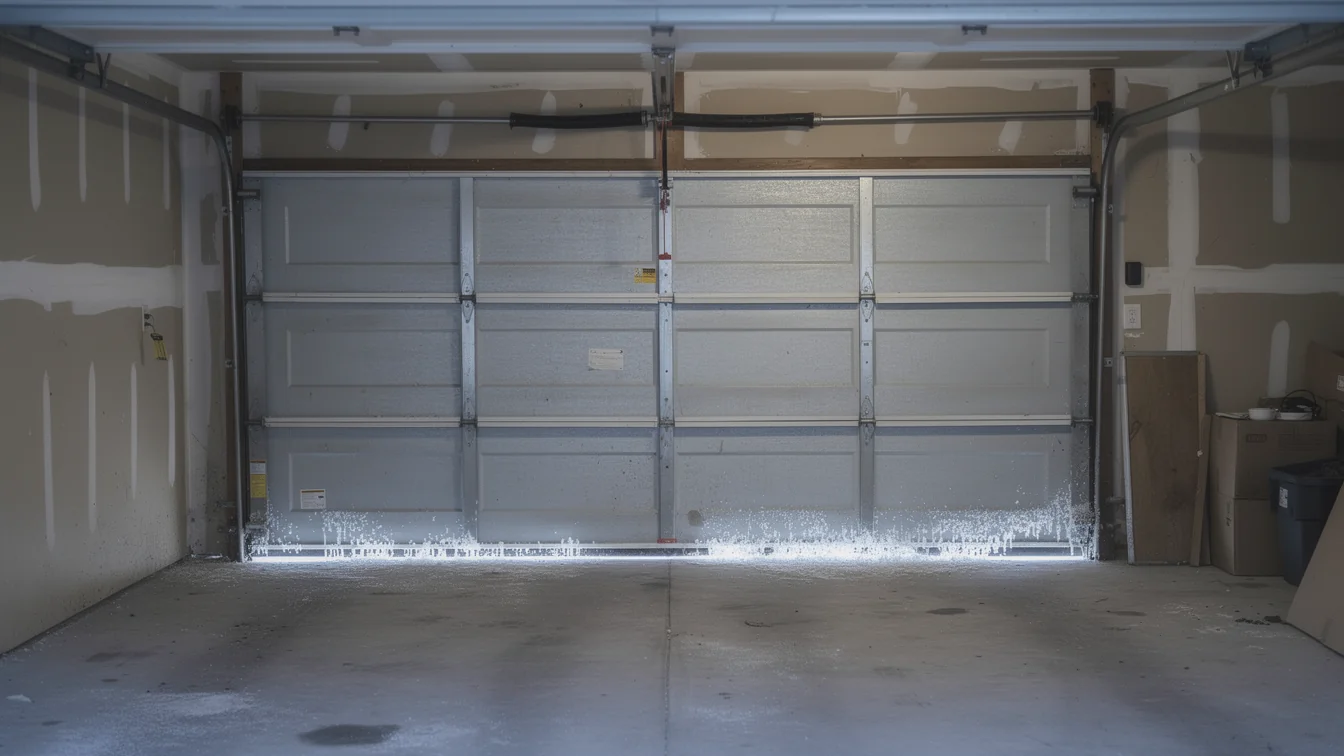
Hudson, WI homes built mostly from 1972 to 2004 face severe cold swings that test original springs, tracks, and insulation.
Read moreHudson homes built mostly 1972-2004 run older openers that struggle in cold-severe winters and outages. Here's what's going on, what happens if you wait, and what you'll pay.
Local detail
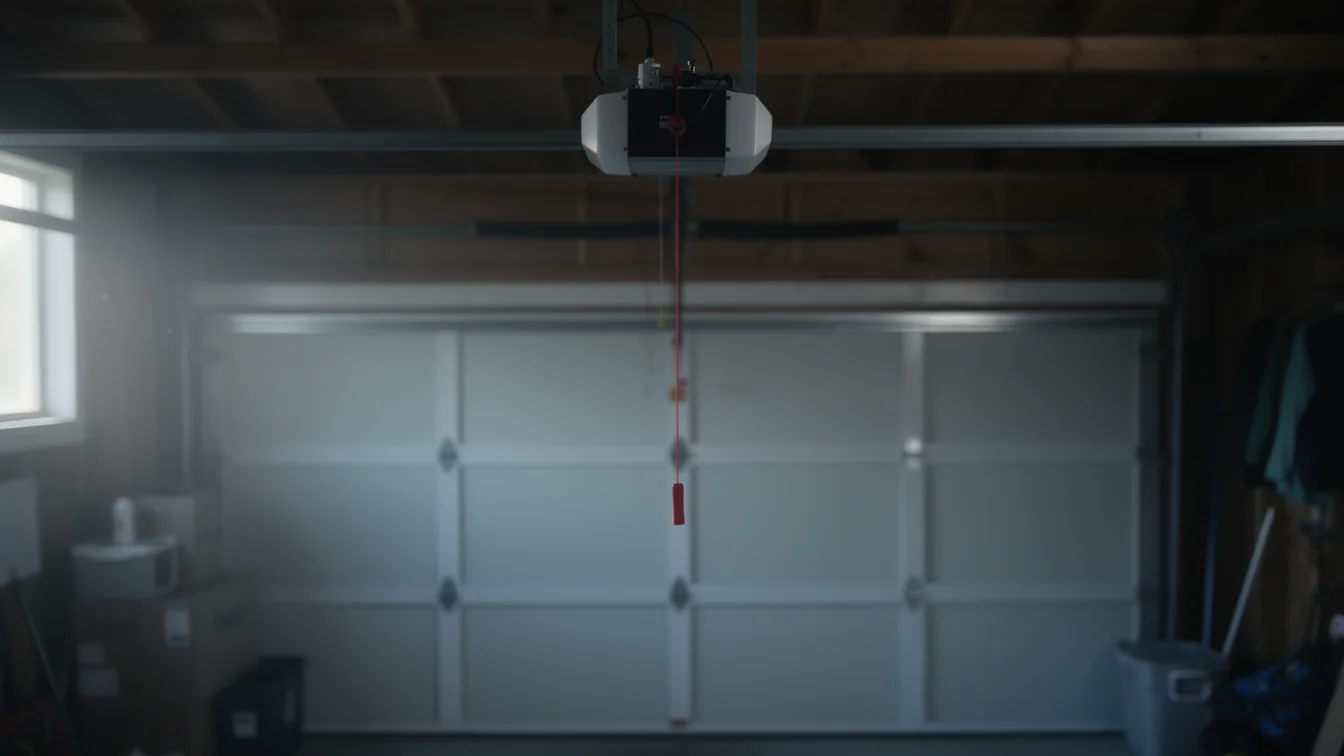
Most houses on this side of Hudson went up between 1972 and 2004, with the median landing around 1987. That means a lot of garages are still running the opener that came with the house, or a close replacement from the 90s. Those units are chain-drive, often without a battery backup, and the circuit boards inside them are thirty-plus years old in some cases. When we get a call about "my door won't open" after a storm, it's rarely the door itself. It's the opener board that took a surge, or a motor capacitor that finally gave out after decades of cold starts. Across the thirteen named areas we work in, from North Hudson two miles out to Ellsworth twenty miles south, the pattern repeats: 1980s and 90s construction, original or first-replacement openers, and no battery backup built in. The door panels and springs on these houses are often fine. It's the electronics and the backup power that haven't kept pace with what a modern opener offers. That's the gap we're usually called to close, not a broken spring or a bent track.
The area
This is COLD-severe country, and that matters more for openers than people expect. Cold doesn't just stiffen door hardware - it drains battery backups fast. A backup battery rated for several hours at room temperature can give you a fraction of that once the garage drops near freezing, which is exactly when you need it, during a winter outage when the lines are down and the plow hasn't come through yet. With 9,934 owner-occupied houses across the service area, a good share of them built before battery backup was standard equipment at all, a lot of garages here have no fallback whatsoever. The door becomes a manual-release problem in the dark, in the cold, often with a car trapped inside or out. Surge activity during storms is the other half of it: older board designs in 80s and 90s-era openers don't have the surge protection built into newer units, so a lightning strike or a grid hiccup can take out the logic board even when nothing else in the house trips.
What we find
An opener that's limping along - slow to respond, reversing for no reason, making a grinding noise on the chain - will usually keep working until it doesn't. The honest limitation here: we can't tell you exactly when an old board will fail completely, only that boards from the 80s and 90s era are well past their expected service life and failures cluster during storms and cold snaps, which is the worst possible time. If you ignore it, the likely outcome in this climate is a dead opener during an outage, with no battery backup to bridge the gap, and a manual release you may not have used in years. We'd rather replace a board or add backup power on a dry Tuesday than get the call during a January outage. Not every noisy opener needs replacing - sometimes it's a lubrication issue or a loose sprocket, and we'll tell you that if it's true. But a unit without surge protection or battery backup, in a house built in this window, is carrying risk that a newer unit doesn't.
How we work
We don't publish a flat number here because the job depends on what's actually failing - a board swap is a different job than a full opener replacement with battery backup, and whether the existing rail and sensors are reusable changes the labor. At a median household income of $87,500 across this area, most owners we talk to choose to upgrade to a unit with built-in battery backup and surge protection rather than patch the old board again, since the repeat-failure math stops making sense after the second call. We'll look at the opener, tell you straight whether it's a board, a capacitor, or a unit that's done, and give you a number before we start - no guessing after the fact.
Questions
That's a surge, not a coincidence. Older opener boards from the 80s and 90s don't have surge protection built in, so when power snaps back on after an outage, the voltage spike can fry the logic board even though it survived the outage itself. A newer unit with surge protection handles that restart without issue.
It helps, but less than the rating suggests. Cold drains battery capacity fast, so a backup rated for several hours at room temperature may only give you a short window once the garage drops near freezing. It's still worth having - just don't expect a full charge's worth of runtime in January.
Depends what's failing. A loose sprocket or a sensor issue is a cheap fix on an old unit. A fried board or a worn-out motor usually isn't worth chasing on a unit that old - the parts are harder to source and you're likely to be back in a year. We'll tell you which situation you're in.
Recommendation
More garage door guides for Hudson homeowners.
Hudson, WI homes built mostly from 1972 to 2004 face severe cold swings that test original springs, tracks, and insulation.
Read more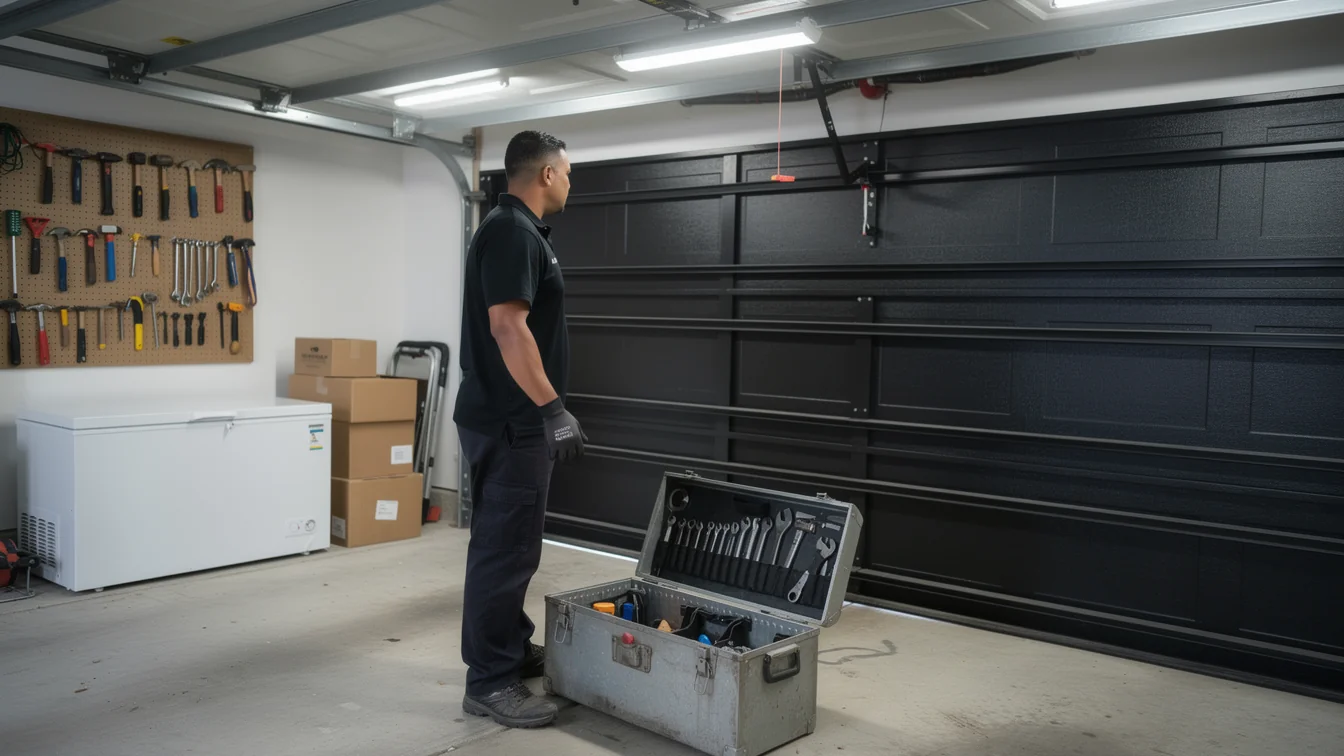
A Hudson, WI service call means diagnosis, parts, and labor priced to match houses built 1972-2004 and gear rated for our severe cold winters in this area.
Read more
Hudson, WI homes built between 1972 and 2004 face torsion spring failures when winter cold snaps hit.
Read moreReady when you are
Hudson Garage Door Pros repairs and installs garage doors, springs and openers in Hudson, WI and the surrounding area.